By Kate Fitzpatrick
Hello!
With the start of spring, we’ve been busy planning our garden at the library. This year, we’re doing a series of programs related to our learning garden. In April, we’ll be planting seeds, reading gardening books, decorating plant pots, and watching our garden start to grow in our indoor planters. I’m also planning a couple of garden-themed storytimes. There are some great books about gardening that also include CLEL practices. Two of my favorites are “El rescatador de plantas,” by Matthew Rivera, and “Cómo decirle hola a una lombriz,” by Kari Percival.
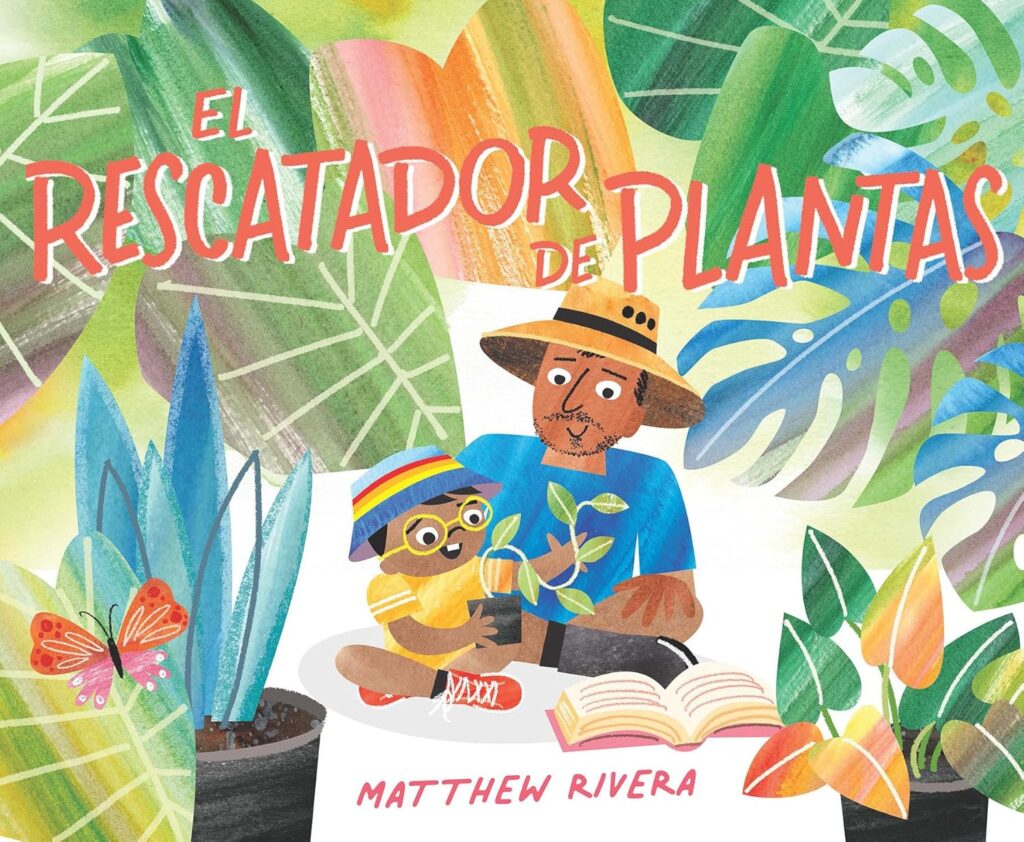
“El rescatador de plantas,” by Matthew Rivera, was our winner for 2025 in the READ / LEER category. In this story, Manny gets his first plant and realizes how hard it is to care for a plant. He goes to the library to learn more about caring for plants. With his new knowledge, he takes better care of his plant, and it begins to grow and grow, so much that he can share it with friends and neighbors. We have a great activity sheet with ideas for what to do with this story at home and in the library.
In the story, Manny and his dad learn about which plants attract bees, so during storytime, I like to practice “bee breath.” There are many variations of this, but this is how I like to do bee breath in my storytimes:
- Sit comfortably and start to flap your bee wings by sticking out your elbows and bringing your hands to your shoulders.
- Take a big breath in and breathe out with a buzz. See how long you can make your bzzzzzzzz sound last!
- Try flapping your wings faster or slower
- Can you bzzzz louder? Quieter?
- Bees sometimes dance around and wiggle. Can you wiggle and flap your wings in your seat?
- End with a big breath in and exhale slowly
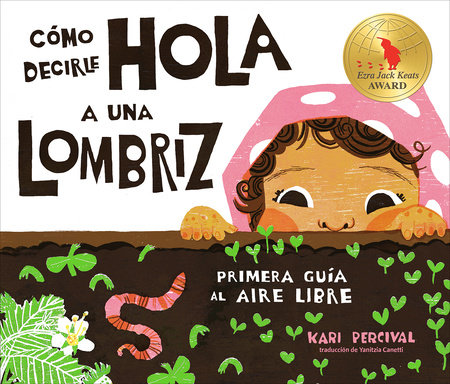
Another story I love is “Cómo decirle hola a una lombriz,” by Kari Percival. This is the Spanish translation of How to Say Hello to a Worm, which was a CLEL Bell winner for TALK in 2023. The committee made an activity sheet with some fun at-home activities for caregivers and children.
When I read the story, I really like to interact with each page and action. For example, on one page, we poke a hole in the dirt, drop a seed in, tuck it in, and water it. It’s fun to act out, and a nice way for children to get involved in the story.
This story also models questions and answers. You can ask questions while reading; this helps children interact with the story, learn how conversations work, and learn more about plants.
After this story, I will have children help us plant our seeds and their own seeds to take home. Each child will get their own plant pot to decorate. We’re using mini terracotta pots, but you could use paper cups for this part. We have paint pens that work well and dry quickly. We also like to use gems with sticky backs. Everyone loves sparkly gems!
Once the pots are decorated, we’ll have a table with the soil and mini shovels. Children, with the help of their caregivers, can practice scooping the dirt into their pots. This will make a mess, so you may want to be outside or use a tarp to contain some dirt!
After they add the dirt, they’ll make a little hole for their seed. We use sunflower seeds because they’re large and easy to see and recognize. They’re also easy to grow. Children can pick their own seed, drop it in the dirt, cover it, and water it, just like in the story! This is a fun project to make at the library and take home. We’ll also have our own greenhouse-style seed planters and will ask children to help us plant seeds in those. Both activities present opportunities for children to play in the garden, learn about how to plant seeds, and help take care of plants! If we’re lucky, we’ll be able to watch these seeds sprout and grow before we move them to our outside garden later this spring!